Understanding Belly Fat and Its Impact on Health
Belly fat is more than a cosmetic concern—it is a serious health issue that demands focused attention. We recognize that excess abdominal fat, especially visceral fat stored deep within the abdominal cavity, is linked to metabolic disorders, cardiovascular disease, and insulin resistance. Unlike subcutaneous fat, visceral fat actively releases inflammatory markers that disrupt hormonal balance and overall health.
To effectively address belly fat, we must adopt a structured and evidence-based approach that integrates nutrition, exercise, lifestyle modifications, and consistency.
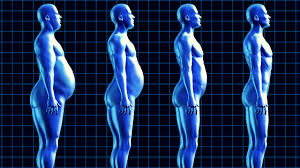
Types of Belly Fat: Know What You’re Targeting
Subcutaneous Fat
This is the fat located just under the skin. While it is visible and contributes to body shape, it is less dangerous compared to visceral fat.
Visceral Fat
This fat surrounds internal organs and poses a higher health risk. Reducing visceral belly fat should be a top priority for long-term wellness.
Nutrition Strategies for Rapid Belly Fat Reduction
Adopt a Calorie-Controlled Diet
We focus on maintaining a caloric deficit, where the body burns more calories than it consumes. This is fundamental for fat loss, including abdominal fat.
Prioritize High-Protein Intake
Protein plays a crucial role in fat loss. It boosts metabolism, reduces appetite, and preserves lean muscle mass. We recommend including:
- Lean meats
- Eggs
- Fish
- Legumes
- Greek yogurt
Reduce Refined Carbohydrates and Sugars
Eliminating processed sugars and refined carbs significantly reduces fat accumulation around the abdomen. Replace them with:
- Whole grains
- Vegetables
- Fruits with low glycemic index
Increase Fiber Consumption
Soluble fiber slows digestion and promotes satiety, helping reduce overall calorie intake. Excellent sources include:
- Oats
- Flaxseeds
- Avocados
- Beans
Best Exercises to Burn Belly Fat Effectively
High-Intensity Interval Training (HIIT)
HIIT is one of the most effective methods for burning fat quickly. It alternates between intense bursts of activity and short recovery periods, boosting metabolism even after workouts.
Strength Training
Building muscle increases resting metabolic rate. We incorporate compound movements such as:
- Squats
- Deadlifts
- Bench presses
- Rows
Core-Focused Workouts
While spot reduction is a myth, strengthening the core improves muscle tone and posture. Effective exercises include:
- Planks
- Bicycle crunches
- Leg raises
Cardiovascular Exercise
Steady-state cardio such as walking, jogging, or cycling aids in overall fat reduction when combined with a proper diet.
Lifestyle Changes That Accelerate Belly Fat Loss
Improve Sleep Quality
Poor sleep disrupts hormones like cortisol and ghrelin, which contribute to fat storage. We aim for 7–9 hours of quality sleep per night.
Manage Stress Levels
Chronic stress leads to elevated cortisol levels, which promote fat accumulation around the abdomen. Effective stress management techniques include:
- Meditation
- Deep breathing exercises
- Yoga
Stay Hydrated
Drinking enough water supports metabolism and helps control appetite. We recommend consuming at least 2–3 liters daily.
Hormonal Balance and Belly Fat
Hormones play a significant role in fat distribution. Imbalances in insulin, cortisol, and estrogen can lead to stubborn belly fat. We address this through:
- Balanced nutrition
- Regular exercise
- Adequate sleep
- Reduced alcohol consumption
Foods That Promote Belly Fat Loss
We emphasize nutrient-dense foods that actively support fat loss:
Fat-Burning Foods
- Green tea (rich in catechins)
- Chili peppers (contain capsaicin)
- Apple cider vinegar
Healthy Fats
Contrary to popular belief, healthy fats aid in fat loss. Include:
- Nuts
- Seeds
- Olive oil
- Fatty fish like salmon
Low-Calorie, High-Nutrient Vegetables
Vegetables provide essential vitamins while keeping calorie intake low:
- Spinach
- Broccoli
- Kale
- Cucumbers
Common Mistakes That Prevent Belly Fat Loss
Overeating Healthy Foods
Even healthy foods can lead to weight gain if consumed excessively. Portion control is essential.
Skipping Meals
Skipping meals slows metabolism and leads to overeating later. We maintain consistent meal timing.
Relying Only on Exercise
Exercise alone is not enough. Nutrition accounts for the majority of fat loss success.
Lack of Consistency
Inconsistent habits yield minimal results. Sustainable routines are key to long-term success.
Tracking Progress the Right Way
We avoid relying solely on the scale. Instead, we track:
- Waist circumference
- Body fat percentage
- Progress photos
- Energy levels and performance
Effective Weekly Belly Fat Loss Plan
Day 1–3
- Strength training + light cardio
- High-protein meals
Day 4–5
- HIIT workouts
- Increased vegetable intake
Day 6
- Active recovery (walking or yoga)
Day 7
- Rest and meal preparation
Supplements That May Support Fat Loss
While not essential, certain supplements can enhance results:
- Protein powder
- Omega-3 fatty acids
- Green tea extract
- Magnesium
Long-Term Strategy for a Flat Stomach
We focus on sustainable habits rather than quick fixes. A long-term commitment to healthy eating, regular exercise, and balanced living ensures lasting results.
Consistency, discipline, and informed choices are the pillars of achieving and maintaining a lean midsection.
Conclusion: Achieve Lasting Belly Fat Loss
We achieve effective belly fat loss through a comprehensive approach that combines nutrition, exercise, and lifestyle optimization. By eliminating harmful habits and adopting scientifically backed strategies, we create a sustainable path toward a healthier, leaner body.